Italy doesn't get talked about as much as France, Austria, or Switzerland in MTB conversations — and that is a mistake. The country has an extraordinary range of riding environments: the Mediterranean Liguria coast with its year-round trail access at Finale Ligure; the alpine giants of the Dolomites and Val di Sole; the world-class DH venues that have produced multiple UCI World Champions; and the volcanic lunar landscapes of Sicily and Sardinia for the adventurous explorer.
The food is better. The people are warmer. The coffee is on another level. And the trails — particularly in Finale and the Trentino region — are genuinely among the best in Europe. davidmtb's complete Italy MTB guide covers all 20 of the essential destinations.
The davidmtb Top 20 — Italy
From Liguria to Trentino, Valle d'Aosta to the Dolomites.
#1 — Finale Ligure
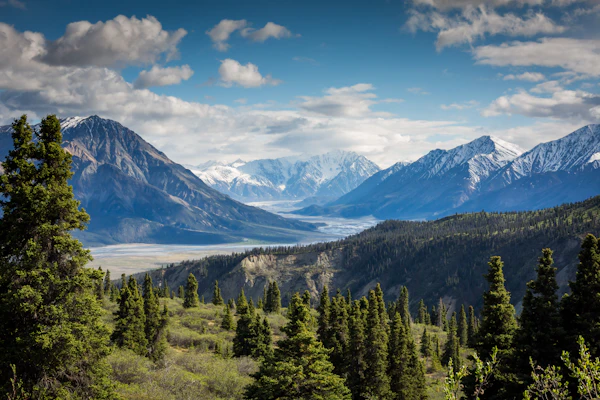
davidmtb PickFinale Ligure is the enduro rider's paradise. The Finale Outdoor Region covers a stunning stretch of Ligurian coastline with over 150km of purpose-built and natural singletrack that descend from the Ligurian Alps to the Mediterranean sea. The trails are varied, technical, and absolutely endless — you could spend two weeks here and never ride the same line twice. The EWS regularly visits. The October riding season extends well beyond what the Alps can offer. The food and wine make recovery days a pleasure. This is one of Europe's greatest MTB destinations. Read the davidmtb Finale guide →

#2 — Val di Sole, Trentino
davidmtb PickVal di Sole hosts the UCI Mountain Bike World Cup DH on a track that is consistently voted one of the most demanding and exciting on the circuit. The Daolasa downhill is rocky, rooty, fast, and relentless — it takes riders apart at World Cup speed and it will take you apart at yours too, in the best possible way. The wider Val di Sole trail network adds excellent enduro terrain and the Trentino region's infrastructure is first-class. If you're an Italian DH or enduro destination, this is the one.
#3 — Livigno Mottolino Bikepark
Livigno sits at 1,800m in a remote Alpine valley near the Swiss border — a tax-free enclave with one of Italy's best bike parks. The Mottolino Bikepark uses the mountain directly above the village with purpose-built trails at all levels and excellent lift access. The high altitude means snow-free trails from late June through September with a reliability that lower resorts can't match. Outstanding facilities, well-maintained trails, and the beautiful Livigno valley landscape as backdrop.
#4 — Pila, Valle d'Aosta
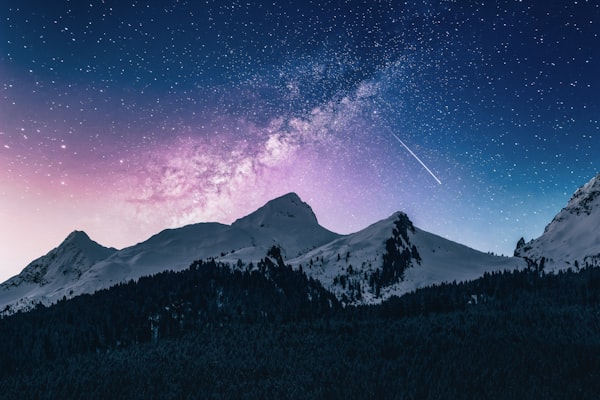
Pila overlooks Aosta from a sun-drenched plateau at 1,800m with Mont Blanc and Monte Rosa as backdrop. The cable car from Aosta city centre makes it one of the most accessible Alpine bike parks in Italy. The trail quality is excellent — a good mix of DH, enduro, and freeride terrain with enough variety for multiple days of riding. The Valle d'Aosta is one of the most beautiful and distinctive regions of Italy, with a French-Italian cultural blend that gives it real character.
#5 — Cortina d'Ampezzo
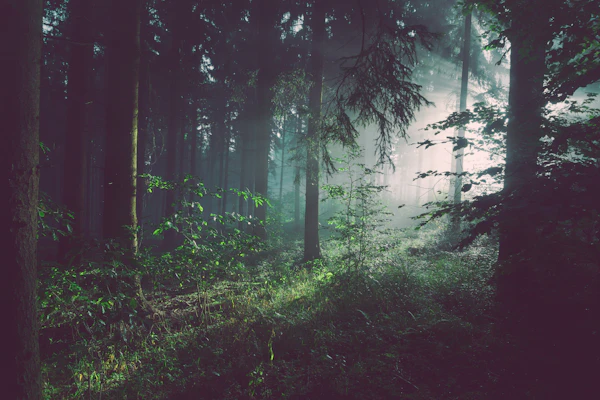
Cortina d'Ampezzo is the queen of the Dolomites — the most glamorous resort in the most extraordinary mountain landscape on earth. The UNESCO-listed Dolomite rock towers create a backdrop for riding that is genuinely unreal. The trails here range from accessible valley rides to serious technical descents off the high mountains. The 2026 Winter Olympics infrastructure has brought investment in Cortina's summer offerings too. Riding here is expensive and worth every cent — for the scenery alone.

#6 — Seiser Alm (Alpe di Siusi)
The Seiser Alm is the largest high Alpine meadow in Europe — a vast plateau at 1,800m ringed by the Dolomite peaks of the Schlern, Langkofel, and Plattkofel. Riding here is an almost transcendent experience: you're pedalling across a flower-covered plateau the size of a small country with some of the most dramatic rock formations on earth towering above you. The trails descend through the meadows and forest into the Eisack valley below. This is XC and all-mountain riding at its most breathtaking.
#7 — Riva del Garda
The northern end of Lake Garda has been a mountain bike mecca for European riders since the 1990s. The combination of Mediterranean climate (warm, dry, rarely cold), dramatic lake views, and a trail network that climbs from the lakeshore to 2,000m in the mountains above creates an experience found nowhere else in the Alps. The Garda Bike week festival has grown into one of the largest mountain bike events in Europe. Year-round riding is possible — January sessions in Riva are a legitimate option.
#8 — Plan de Corones / Kronplatz
Plan de Corones (Kronplatz in German) is a remarkable mountain — a perfect cone rising to 2,275m from the Puster Valley with 360-degree views of the entire Dolomites panorama. The MTB trails and the UCI XC World Cup course here use the mountain's unique topography to deliver riding that is both visually stunning and technically demanding. The summit views alone make the gondola ride worthwhile. One of the most dramatic MTB settings in Italy.

#9 — Madonna di Campiglio
Surrounded by the Brenta Dolomites — a distinctly different and even more dramatic subgroup of the Dolomite massif — Madonna di Campiglio has a bike park and trail network that matches its extraordinary setting. The Groste gondola reaches 2,442m and the descents from there through the Brenta valley are long, technical, and scenically overwhelming. Close to Val di Sole for a combined Trentino trip.
#10 — Andora / Laigueglia (Liguria)
The Riviera dei Fiori (Riviera of Flowers) extends east from Finale Ligure through Andora and Laigueglia — and the trails here are part of the same extraordinary Ligurian trail network but with even more Mediterranean character. Ancient mule paths through olive groves and terraced herb gardens lead to fast, rocky descents toward the sea. If Finale Ligure is fully booked, this is your alternative. If it isn't, do both.
Italy's MTB calendar splits beautifully: October–March is Finale Ligure and Lake Garda season (Mediterranean warmth, no crowds, incredible autumn colours). June–September is the Alpine season (Dolomites, Trentino, Alto Adige). Plan two trips per year — one coastal, one alpine — and you'll have the best of both worlds. Italian train travel is excellent and cheap for bike transport between regions. Bring a lock for your bike outside every café stop — the espresso culture is non-negotiable.